The cannabis market keeps evolving as regulations shift, consumer preferences sharpen, and retail standards rise together. Therefore, both businesses and customers make better decisions when they understand the forces shaping the next stage of growth. Instead of following hype, you build real clarity when you watch how policy changes, product innovation, and education-first service influence what people buy and why they return. As a result, cannabis industry trends increasingly reward disciplined execution, clear guidance, and consistent customer experiences over rushed expansion.
Regulation Moves Faster than Most Playbooks
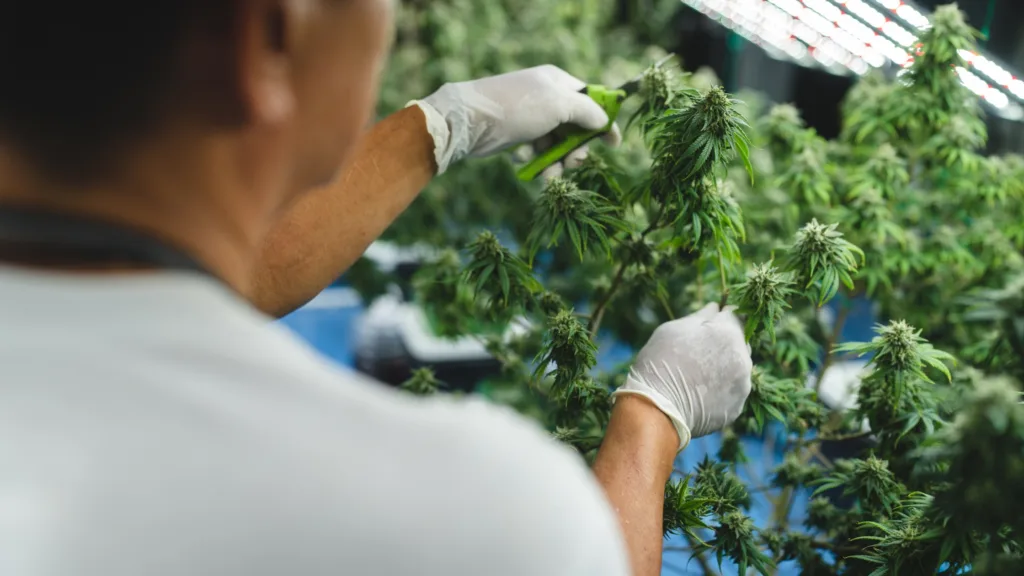
Regulatory shifts define operational success. Consequently, businesses that treat compliance as a living system adapt faster than late reactors. Moreover, authorities tighten rules on categories, labeling, and customer access. Key signs include:
- Evolving enforcement priorities: Regulators focus more on product clarity, accurate labeling, and controlled access, which forces retailers to tighten internal processes.
- Stricter product categorization: Authorities increasingly examine intoxicating hemp and crossover products, which raises scrutiny across menus and marketing language.
- Higher expectations for staff accountability: Regulators expect consistent ID verification, product handling, and customer guidance across every shift.
Therefore, Cannabis industry trends favor businesses that embed compliance into daily operations rather than treating it as a quarterly task, because daily discipline reduces risk, strengthens staff confidence, and keeps customer experiences consistent across every shift and location.
Convenience Formats Keep Gaining Share
Shoppers consistently choose products that fit real-life routines. As a result, the market continues shifting toward formats that reduce friction and decision fatigue. Moreover, customers increasingly value predictable effects and easy usage over novelty alone. Popular convenience-driven formats include:
- Pre-rolls with consistent quality: These products appeal to customers who want simplicity without preparation or equipment.
- Precisely dosed edibles: Edibles gain traction because they allow customers to control timing and intensity more reliably.
- Session-friendly options: Lower-intensity formats support social settings and shorter time windows without overwhelming effects.
Consequently, Cannabis industry trends reward retailers that explain format differences clearly and guide customers toward the right fit.
Low-Dose Demand Grows Under Scrutiny
Many consumers want balance rather than extremes. Therefore, low-dose products continue to grow across categories. However, regulators also apply greater scrutiny to how brands describe effects and benefits. This shift creates a dual responsibility:
- Clear dosing communication: Customers expect plain-language guidance on serving size, onset, and duration.
- Responsible positioning: Businesses must avoid exaggerated claims and focus on experience-based descriptions instead.
- Education-first merchandising: Retailers that explain how products feel rather than what they promise build stronger trust.
As a result, Cannabis industry trends increasingly connect success with education and restraint instead of aggressive positioning, which protects trust long-term. Learn more about Cannabis Culture.

Trust Shifts from Hype to Transparency
Modern consumers research before they buy. Consequently, they reward businesses that provide honest, specific information. Moreover, transparency now drives repeat visits more than flashy branding. Trust-building practices that matter most include:
- Clear product descriptions: Shoppers prefer simple, honest explanations of cannabinoid profiles and terpene profiles, because clarity builds confidence.
- Consistent batch information: Reliability across purchases builds trust, reduces uncertainty, and sets accurate expectations every time.
- Patient, pressure-free guidance: Customers respond better when staff ask thoughtful questions, listen carefully, and recommend without pressure.
Therefore, Cannabis industry trends push retailers to treat every interaction as a long-term relationship rather than a single transaction.
Retail Operations Reward Discipline over Expansion
Market saturation forces operators to focus inward. As a result, operational efficiency now separates stable businesses from struggling ones. Moreover, disciplined operations improve both compliance and customer experience at the same time. Strong retail systems focus on:
- Inventory accuracy: Clean, reliable data reduces stock gaps, limits errors, and supports smarter purchasing decisions that keep shelves consistent.
- Staff training loops: Ongoing education keeps teams aligned, confident, and consistent across shifts and locations, even during peak hours.
- Faster, cleaner checkout experiences: Smooth, efficient transactions reduce friction and create a more satisfying, stress-free customer experience.
Because margins face pressure, the cannabis industry trends increasingly favor operational excellence over footprint growth.
Local Community Standards Matter More Every Year
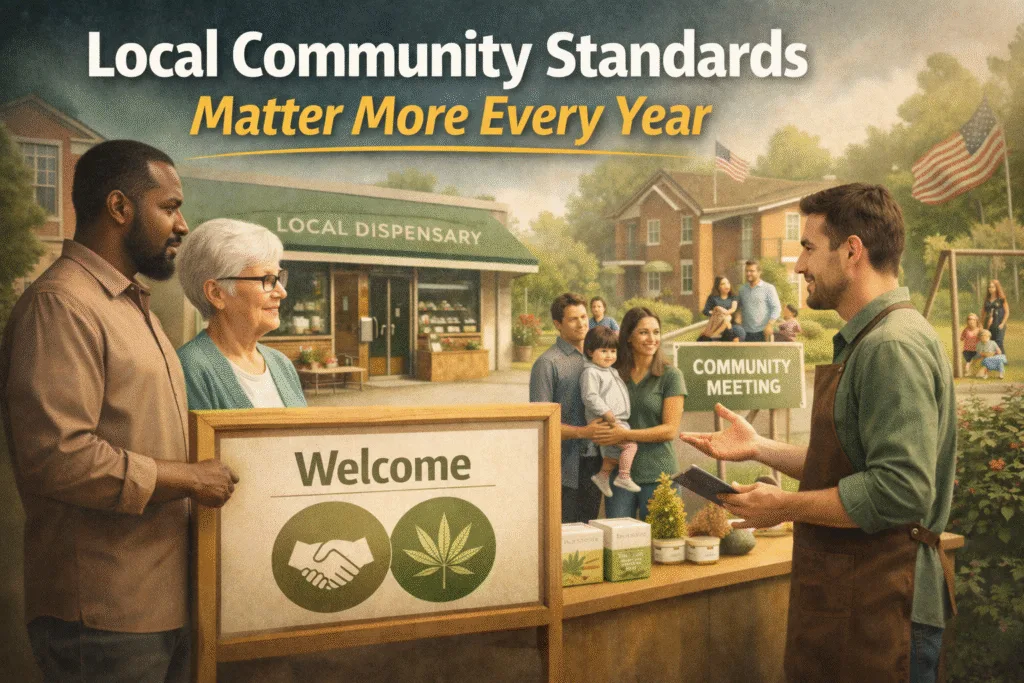
Cannabis retail operates within real neighborhoods. Therefore, businesses that respect community expectations build long-term stability. Additionally, responsible operations reduce regulatory backlash and improve public perception. Community-aligned practices include:
- Strict age verification: Consistent ID checks protect customers and support compliance.
- Mature, responsible messaging: Clear communication builds trust with regulators and communities.
- Education-led service culture: Guidance-focused service helps customers choose confidently and reinforces professionalism.
Consequently, cannabis industry trends increasingly reward businesses that act as responsible local operators rather than aggressive sellers.
How to Build a 90-Day Plan from Cannabis Industry Trends
You can turn Cannabis industry trends into a simple execution plan when you focus on consistency. First, you define measurable priorities. Next, you train teams around real customer questions. Then, you refine inventory and messaging based on actual behavior. A practical 90-day framework includes:
- Weeks 1–2: Compliance and clarity review: Audit labels, menus, and staff scripts for accuracy, consistency, and regulatory alignment.
- Weeks 3–6: Staff education refresh: Reinforce dosing guidance, onset timing, and product-fit conversations for clear recommendations.
- Weeks 7–10: Inventory refinement: Adjust category mix using sell-through data and customer feedback to reduce gaps and overstock.
- Weeks 11–12: Education content alignment: Update website and in-store education to match common customer questions and concerns.
This approach keeps growth controlled, compliant, and sustainable, while building customer trust, repeat visits, and smoother daily operations.
Conclusion
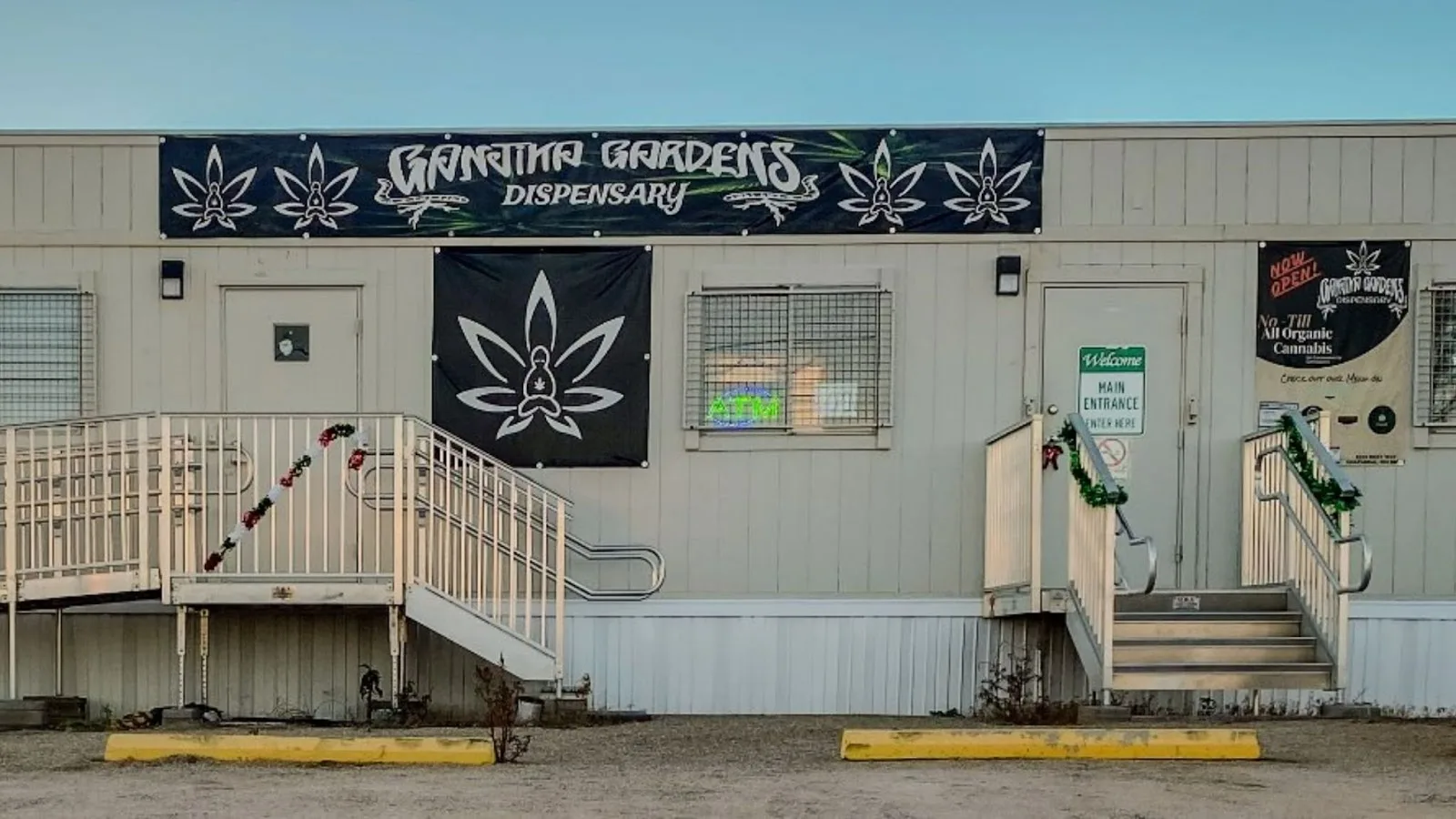
Cannabis industry trends continue to shift toward transparency, convenience, and responsible retail execution. Therefore, businesses stand out when they pair a strong product selection with clear education, consistent standards, and a customer-first approach. Ganjika Gardens reflects these priorities through a welcoming dispensary experience that emphasizes guided product-fit conversations, straightforward menu clarity, and responsible service for different comfort levels. Moreover, you get a smoother buying experience when a team helps you choose by format, timing, and desired vibe instead of pushing hype.
Please Consume Responsibly: For adults 21+. Keep out of reach of children. Cannabis may have long-term effects and additional risks for women who are pregnant or breastfeeding. Do not drive or operate machinery while under the influence.